
What Is Gluconate-Based Plant Nutrition
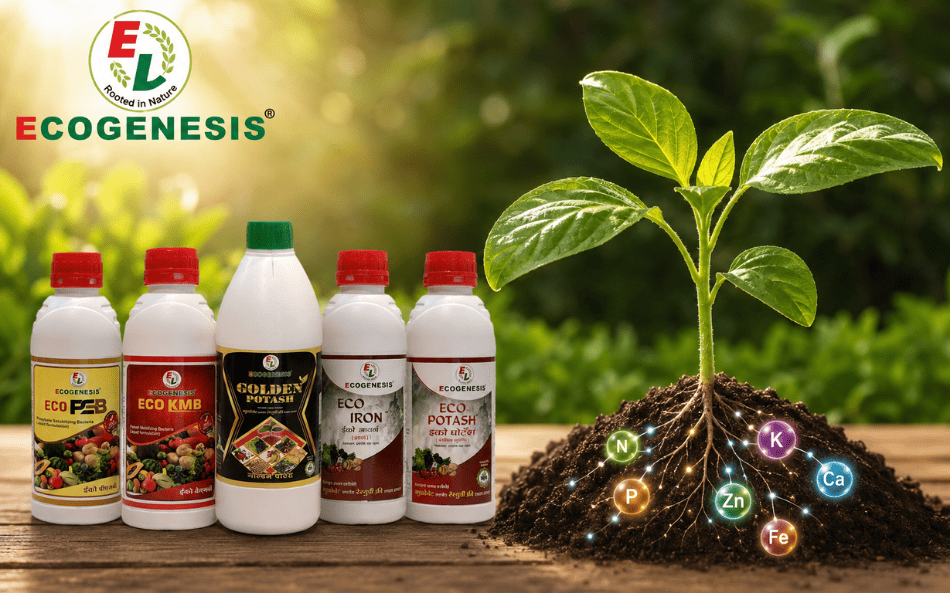
What Is Gluconate-Based Plant Nutrition
Modern agriculture is not only about applying nutrients to the soil or spraying them on leaves. The real question is: How efficiently can the plant absorb, transport, and use those nutrients?
This is where gluconate-based plant nutrition becomes an important concept.
Gluconate is an organic compound that can be used to formulate plant nutrients by combining gluconate with essential elements such as calcium, zinc, iron, magnesium, copper, and other micronutrients. The goal is to provide nutrients in a form designed to support availability, absorption, and efficient utilization by plants.
For farmers and growers looking to improve crop nutrition, understanding the difference between simply applying nutrients and improving nutrient availability is essential.
In this guide, we will explain what gluconate-based plant nutrition is, how it works, its potential benefits, and why nutrient absorption matters for modern crop production.
What Is Gluconate-Based Plant Nutrition?
Gluconate-based plant nutrition refers to plant nutrient formulations in which essential mineral nutrients are associated with gluconate.
Gluconate is derived from glucose through oxidation and is known for its ability to interact with mineral ions. In agricultural formulations, gluconate can be used as a carrier or complexing component for nutrients.
For example, a gluconate-based formulation may contain:
- Calcium gluconate
- Zinc gluconate
- Iron gluconate
- Magnesium gluconate
- Manganese gluconate
- Copper gluconate
- Multi-micronutrient gluconate formulations
The purpose is not simply to put more nutrients into the field. It is to develop formulations that can contribute to efficient nutrient availability and plant uptake.
Why Is Nutrient Absorption Important?
Plants require several essential nutrients throughout their growth cycle.
Macronutrients such as nitrogen, phosphorus, potassium, calcium, magnesium, and sulfur are required in relatively large quantities. Micronutrients such as zinc, iron, boron, manganese, copper, molybdenum, and chlorine are needed in smaller amounts but remain essential for healthy plant development.
However, nutrient application alone does not guarantee that plants will receive what they need.
Nutrients can become less available because of:
- Soil pH
- Nutrient interactions
- Poor soil conditions
- Excessive moisture
- Drought stress
- Root-zone limitations
- Nutrient imbalance
- Low organic matter
- Antagonism between nutrients
- Improper application methods
Therefore, modern plant nutrition increasingly focuses on nutrient availability, absorption, mobility, and utilization, rather than application quantity alone.
How Does Gluconate-Based Nutrition Work?
The exact behavior of a gluconate-based nutrient depends on the nutrient, formulation, concentration, application method, crop, and environmental conditions.
At a basic level, gluconate can associate with mineral nutrients and help formulate them in a soluble and plant-compatible form.
After application, nutrient availability and uptake depend on several factors.
1. Nutrient Availability
A nutrient must be available in a form that the plant can access.
Gluconate-based formulations are designed around maintaining the nutrient in a suitable formulation for application and availability.
2. Root Uptake
When applied through soil or fertigation, nutrients need to reach the root zone.
Healthy roots, adequate moisture, appropriate soil conditions, and proper nutrient balance all influence uptake.
3. Foliar Absorption
Foliar nutrition provides nutrients directly to plant surfaces.
The effectiveness of foliar application depends on factors such as:
- Leaf surface characteristics
- Nutrient concentration
- Formulation
- Spray coverage
- Weather conditions
- Humidity
- Crop stage
A well-designed foliar nutrient formulation can therefore become a useful part of an integrated crop nutrition program.
4. Plant Utilization
Once absorbed, nutrients participate in different physiological processes.
For example:
- Calcium contributes to cell wall structure and cell integrity.
- Zinc is involved in enzyme activity and plant growth processes.
- Iron is essential for chlorophyll formation and electron transport.
- Magnesium is a central component of chlorophyll.
- Boron contributes to cell division, reproductive development, and cell wall processes.
- Manganese plays an important role in photosynthesis and enzyme systems.
This is why nutrient management should consider the complete journey from application → availability → absorption → utilization.
Gluconate-Based Nutrition vs. Conventional Nutrient Application
It is important to understand that gluconate-based nutrition is not simply about replacing every conventional fertilizer.
Different nutrient sources have different purposes, characteristics, and application methods.
A conventional fertilizer may provide a large quantity of a nutrient to the soil, while a specialized micronutrient formulation may be used to address a specific nutritional requirement.
Gluconate-based formulations are particularly interesting where the objective is to develop efficient nutrient delivery systems.
The focus shifts from:
“How much nutrient did we apply?”
to:
“How effectively can the plant access and utilize the nutrient?”
This is an important concept in precision and sustainable crop nutrition.
Key Benefits of Gluconate-Based Plant Nutrition
The benefits depend on the specific formulation and crop management program, but gluconate-based nutrient formulations can offer several potential advantages.
1. Focus on Nutrient Availability
Gluconate-based formulations are designed with nutrient availability and delivery in mind.
This can be particularly valuable for micronutrients that are required in small quantities but play important physiological roles.
2. Suitable for Foliar Nutrition
Many micronutrients can be supplied through foliar application.
A suitable gluconate-based formulation can be incorporated into foliar nutrition programs according to crop requirements and label recommendations.
3. Supports Targeted Nutrient Management
Different crops have different nutritional requirements.
For example, zinc may be particularly important during vegetative growth, while calcium and boron can have important roles during reproductive and fruit-development stages.
Targeted nutrition allows farmers to select nutrients according to crop stage and deficiency risk.
4. Supports Efficient Use of Micronutrients
Micronutrients are required in small amounts, but deficiencies can significantly affect plant growth and productivity.
Efficient micronutrient management can help farmers avoid both deficiency and unnecessary nutrient application.
5. Fits Modern Integrated Crop Nutrition
Gluconate-based nutrition can be used as part of a broader crop nutrition strategy involving:
- Soil fertility management
- Balanced NPK application
- Organic matter management
- Micronutrient management
- Foliar nutrition
- Fertigation
- Biostimulants
- Biofertilizers
- Proper irrigation
The objective is a balanced nutrition program rather than dependence on a single product or nutrient source.
Which Crops Can Benefit From Gluconate-Based Nutrition?
Gluconate-based plant nutrition can be considered across a wide range of crops, depending on the formulation and nutritional requirement.
Potential applications include:
Field Crops
- Cotton
- Soybean
- Wheat
- Rice
- Maize
- Pulses
- Oilseeds
Horticultural Crops
- Tomato
- Chilli
- Onion
- Potato
- Other vegetable crops
Fruit Crops
- Grapes
- Pomegranate
- Citrus
- Banana
- Mango
- Other fruit crops
The correct nutrient and application schedule should always be selected according to the crop, growth stage, soil conditions, and product recommendations.
When Should Gluconate-Based Nutrients Be Applied?
There is no single application stage that works for every crop.
Nutrient requirements change throughout the crop life cycle.
Important stages may include:
Early growth:
Supports establishment and healthy vegetative development when appropriate nutrients are required.
Root development:
Adequate nutrition can help maintain healthy root growth and nutrient acquisition.
Flower initiation:
Certain micronutrients become particularly important as plants transition toward reproductive development.
Flowering and fruit setting:
Balanced nutrition is important for reproductive growth and fruit development.
Fruit or grain development:
Nutrient requirements can remain significant during yield formation.
The best application timing depends on the nutrient, crop, deficiency status, and product formulation.
Gluconate-Based Nutrition and Micronutrients
One of the most interesting applications of gluconate chemistry is micronutrient delivery.
Zinc
Zinc is essential for several plant metabolic and enzymatic processes.
Zinc deficiency can result in poor growth, shortened internodes, chlorosis, and reduced crop performance.
Zinc gluconate formulations can be used as part of a zinc nutrition strategy where appropriate.
Iron
Iron is important for chlorophyll production and several metabolic processes.
Iron deficiency often appears as interveinal chlorosis, particularly in young leaves.
An appropriate iron formulation can be incorporated into crop nutrition programs when iron availability is limited.
Calcium
Calcium plays a structural role in plant tissues and contributes to cell wall stability and membrane function.
Calcium management is particularly important in many horticultural and fruit crops.
Magnesium
Magnesium is a central component of chlorophyll and plays an important role in photosynthesis.
Maintaining adequate magnesium nutrition is therefore important for productive plant growth.
Is Gluconate-Based Nutrition a Fertilizer?
Gluconate-based plant nutrition can be part of a fertilizer or specialty plant nutrient formulation, depending on the product and regulatory classification.
The term gluconate-based nutrition describes the chemistry or nutrient-delivery approach rather than one specific fertilizer category.
A product containing zinc gluconate, for example, is fundamentally different from a conventional bulk NPK fertilizer.
It may be used to deliver a specific micronutrient rather than supplying the crop's entire nutritional requirement.
Therefore, gluconate-based nutrients should generally be viewed as part of a complete plant nutrition program, not automatically as a replacement for all fertilizers.
What Makes Nutrient Efficiency Important in Sustainable Agriculture?
Agriculture faces a major challenge: producing more while using resources responsibly.
Improving nutrient efficiency can contribute to this objective.
When nutrient management is optimized, farmers can make better decisions about:
- Which nutrient to apply
- How much to apply
- When to apply it
- Where to apply it
- Which application method to use
- How to integrate different nutrient sources
This approach can reduce unnecessary applications and improve overall nutrient management.
The future of agriculture is therefore moving beyond simply increasing fertilizer application toward better nutrient efficiency and crop-specific nutrition.
Gluconate-Based Nutrition at Ecogenesis Lifesciences
At Ecogenesis Lifesciences, plant nutrition is built around the principle that efficient nutrition begins with absorption, not application.
The company focuses on gluconate-based plant nutrition as a foundation for developing specialized agricultural nutrient solutions.
Its approach connects nutrient chemistry with practical crop requirements, with products designed for different nutritional needs and application situations.
The broader objective is to support farmers through science-driven nutrition that considers nutrient availability, crop physiology, soil health, and sustainable productivity.
This philosophy also complements the use of biofertilizers, biostimulants, and other biological agricultural solutions as part of an integrated farming system.
How to Build an Effective Plant Nutrition Program
Gluconate-based nutrients work best when incorporated into a complete crop nutrition strategy.
A practical approach includes:
Step 1: Understand the Crop
Different crops have different nutrient requirements.
Identify the crop and its expected yield target before designing a nutrition program.
Step 2: Understand the Soil
Soil testing can help identify nutrient availability and potential deficiencies.
pH, organic matter, salinity, and nutrient balance can all influence nutrient availability.
Step 3: Identify Crop Symptoms
Observe plants regularly for signs of nutrient deficiency.
Common symptoms include:
- Chlorosis
- Leaf deformation
- Poor growth
- Interveinal yellowing
- Reduced flowering
- Poor fruit development
- Weak plant structure
However, nutrient deficiency symptoms can resemble disease, pest damage, or environmental stress. Proper diagnosis is therefore important.
Step 4: Select the Appropriate Nutrient
Do not apply nutrients simply because they are available.
Select the nutrient based on crop requirements, soil conditions, plant symptoms, and testing where possible.
Step 5: Choose the Application Method
Depending on the product, nutrients may be applied through:
- Foliar spray
- Fertigation
- Soil application
- Root-zone application
Always follow the product label and recommended dosage.
Step 6: Monitor the Crop
Observe plant response after application and continue monitoring throughout the crop cycle.
Plant nutrition should be treated as an ongoing management process rather than a one-time application.
Common Questions About Gluconate-Based Plant Nutrition
What is gluconate-based plant nutrition?
Gluconate-based plant nutrition uses gluconate-associated mineral nutrients in agricultural formulations. Examples include zinc gluconate, calcium gluconate, and iron gluconate.
Is gluconate good for plants?
Gluconate can be used in plant nutrient formulations designed to provide essential minerals. Its usefulness depends on the nutrient, formulation, application method, crop, and growing conditions.
What is zinc gluconate in agriculture?
Zinc gluconate is a zinc-containing formulation in which zinc is associated with gluconate. It can be used as a source of zinc in crop nutrition programs where appropriate.
Can gluconate-based nutrients be used as foliar sprays?
Some gluconate-based nutrient formulations are designed for foliar application. The product label should always be followed for concentration, timing, compatibility, and application method.
Are gluconate-based nutrients suitable for all crops?
Potentially, different formulations can be used across many crop types. However, the appropriate nutrient, dose, and application stage depend on the specific crop and product.
Can gluconate-based nutrition replace NPK fertilizers?
Generally, it should not be viewed as a universal replacement for NPK fertilizers. Gluconate-based products are often focused on specific nutrients, particularly micronutrients, and can complement a balanced fertility program.
The Future of Plant Nutrition
Agriculture is moving toward more precise and efficient approaches to crop nutrition.
The goal is no longer simply to apply more fertilizer. Instead, growers increasingly need to consider nutrient availability, absorption, efficiency, crop physiology, soil health, and sustainability.
Gluconate-based plant nutrition represents one approach within this broader movement.
By focusing on how nutrients are delivered and utilized, growers can develop more targeted crop nutrition programs and make better use of essential micronutrients.
Conclusion
Gluconate-based plant nutrition is an important concept for understanding the next generation of efficient crop nutrition.
By associating essential nutrients with gluconate, specialized formulations can be developed with a focus on nutrient availability and delivery.
However, successful crop nutrition requires more than one nutrient or formulation. Soil health, crop requirements, nutrient balance, application timing, water management, and proper diagnosis all play important roles.
The key principle is simple:
Effective plant nutrition is not only about what we apply. It is about what the plant can absorb and use.
As agriculture continues toward more efficient and sustainable production, nutrient-delivery technologies such as gluconate-based nutrition can play an increasingly valuable role in helping farmers build balanced, science-driven crop nutrition programs.
Ecogenesis Lifesciences believes that efficient plant nutrition begins with absorption, creating a foundation for healthier crops, better nutrient management, and sustainable agricultural productivity.