
Boost Your Crops with Eco Zinc: The Key Benefits of Zinc Gluconate in Agriculture
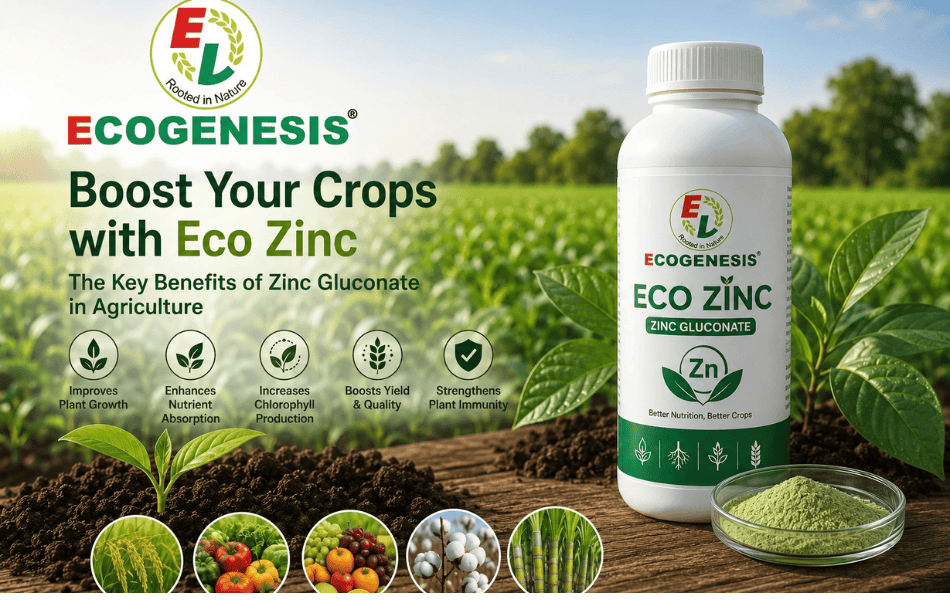
Boost Your Crops with Eco Zinc: The Key Benefits of Zinc Gluconate in Agriculture
Zinc Gluconate for Plants and Eco Zinc for Crops
Zinc Gluconate for plants is rapidly gaining attention as a highly effective micronutrient solution that supports healthier crops, better yields, and improved soil conditions. In modern agriculture, where maximizing productivity while maintaining sustainability is crucial, micronutrients like zinc play a vital role. Zinc is required in small amounts, but its impact on plant growth and development is significant. Products like Eco Zinc for crops are specifically designed to provide this essential nutrient in a form that plants can easily absorb and utilize.
Zinc gluconate is a chelated form of zinc, meaning it is more bioavailable compared to traditional zinc fertilizers. This allows plants to absorb it faster and more efficiently, especially during critical growth stages. Farmers often face challenges such as zinc deficiency in crops, which can lead to stunted growth, reduced yield, and poor plant health. By using zinc gluconate for soil health, these issues can be addressed effectively, ensuring crops receive the nutrients they need for optimal performance.
Role of Zinc in Plant Nutrition and Growth
Understanding the role of zinc in plant nutrition is essential for farmers aiming to maximize productivity and crop quality. Zinc Gluconate for plants plays a critical role in several physiological and biochemical processes that directly influence plant growth. Even though zinc is required in small amounts, it acts as a catalyst for many essential plant functions. Without adequate zinc levels, crops may struggle to develop properly, resulting in reduced yield and poor overall health. This is why Eco Zinc for crops is widely recommended in modern farming practices to ensure balanced nutrition.
-
Zinc and Enzyme Activation
Zinc is a key component in activating enzymes that regulate metabolic processes in plants. These enzymes help in protein synthesis, energy production, and growth regulation. When zinc deficiency in crops occurs, enzyme activity slows down, leading to weak plant development. Applying zinc gluconate for soil health ensures that these enzymatic functions continue efficiently, supporting strong and healthy crop growth.
2.Zinc in Photosynthesis and Chlorophyll Production
Zinc also plays a major role in chlorophyll formation and photosynthesis. It helps plants convert sunlight into energy, which is essential for growth. Crops lacking zinc often show yellowing leaves, a clear sign of poor chlorophyll production. By using zinc fertilizers for agriculture, farmers can improve photosynthesis efficiency and boost crop productivity.
3. Zinc and Plant Hormone Regulation
Another important function of zinc is its involvement in the production of growth hormones like auxins. These hormones control stem elongation and overall plant structure. Adequate zinc levels promote balanced growth, while deficiency can lead to stunted plants and reduced yields.
4. Zinc for Root Development
Healthy roots are the foundation of strong crops, and zinc contributes significantly to root development. It enhances nutrient uptake and water absorption, making plants more resilient to stress conditions. Using Eco Zinc plant growth enhancer ensures robust root systems, leading to better crop performance and higher yields.
Key Benefits of Zinc Gluconate for Plants
Using Zinc Gluconate for plants offers a wide range of benefits that directly improve crop health, productivity, and resilience. As a highly bioavailable micronutrient, it is quickly absorbed by plants, making it more effective than many traditional zinc sources. Farmers adopting Eco Zinc for crops often notice visible improvements in plant growth, leaf color, and overall vigor within a short period. This makes it a preferred choice for addressing micronutrient deficiencies and enhancing agricultural output in both small and large-scale farming systems.
One of the most significant advantages is its ability to improve crop yield. Zinc plays a crucial role in enzyme activity, protein synthesis, and energy production, all of which contribute to higher productivity. Additionally, zinc gluconate for soil health enhances nutrient uptake, ensuring plants efficiently absorb essential elements like nitrogen and phosphorus. This leads to balanced growth and better-quality produce. Another key benefit is its role in boosting disease resistance. Zinc strengthens plant immunity, helping crops withstand infections and environmental stress such as drought or extreme temperatures.
What is Zinc Deficiency in Crops? Causes, Symptoms & Solutions
Zinc deficiency in crops is one of the most common micronutrient problems affecting agricultural productivity worldwide, especially in regions like India where soils are often low in available zinc. When plants lack sufficient zinc, critical physiological processes slow down, leading to visible growth issues and reduced yield potential. Using Zinc Gluconate for plants is one of the most effective ways to correct this deficiency quickly, as it provides zinc in a form that plants can easily absorb and utilize during key growth stages.
- Common Causes of Zinc Deficiency
Several factors contribute to zinc deficiency in soil and crops. High soil pH, excessive phosphorus fertilization, poor organic matter content, and waterlogged conditions can limit zinc availability. In such cases, even if zinc is present in the soil, plants cannot absorb it effectively. This is where Eco Zinc for crops becomes essential, as it improves nutrient availability and supports balanced plant nutrition.
- Visible Symptoms in Plants
The most noticeable symptoms include yellowing of leaves (chlorosis), stunted growth, smaller leaf size, and shortened internodes. Crops may also show delayed maturity and poor flowering. These signs directly impact productivity, making early detection crucial. Applying zinc gluconate for soil health helps restore normal growth and improves plant vitality.
- Impact on Crop Yield
Zinc deficiency can significantly reduce crop yield and quality. Plants become weaker, less resistant to stress, and produce fewer fruits or grains. This leads to economic losses for farmers and lower overall farm efficiency.
- How Zinc Gluconate Solves Deficiency
Applying zinc fertilizers for agriculture, especially zinc gluconate, quickly corrects deficiencies by enhancing nutrient uptake and restoring metabolic functions. Whether applied through soil or foliar spray, it ensures faster recovery and improved crop performance.
Zinc Gluconate vs Zinc Sulfate: Which is Better for Agriculture?
Choosing the right zinc source can significantly influence how effectively your crops absorb nutrients and perform in the field. Both Zinc Gluconate for plants and zinc sulfate are widely used zinc fertilizers for agriculture, but they differ in bioavailability, efficiency, and long-term impact. Farmers aiming for faster correction of zinc deficiency in crops often prefer chelated forms like Eco Zinc for crops, as they are easier for plants to absorb and utilize during critical growth stages.
Zinc sulfate is a traditional and cost-effective option, commonly used in soil applications. However, its availability can be affected by soil pH and interactions with other nutrients, which may limit absorption. In contrast, zinc gluconate for soil health is a chelated form, meaning it binds zinc with organic molecules that enhance its uptake. This makes it particularly effective in alkaline soils, where nutrient lock-up is a common issue. As a result, crops treated with zinc gluconate often show quicker recovery from deficiency symptoms and improved growth performance.
Comparison Table
|
Feature |
Zinc Gluconate |
Zinc Sulfate |
|
Absorption Rate |
High |
Moderate |
|
Bioavailability |
Excellent |
Limited in some soils |
|
Soil Compatibility |
Works in all soil types |
Less effective in high pH soils |
|
Application |
Soil & Foliar |
Mostly soil |
|
Cost |
Higher upfront |
Lower upfront |
|
Efficiency |
Faster results |
Slower response |
For farmers focused on improving crop yield with zinc, zinc gluconate offers better long-term value despite a slightly higher cost. Its superior absorption, reduced wastage, and compatibility with sustainable farming practices make it a preferred choice for modern agriculture.
Best Crops That Benefit from Zinc Fertilization
Applying Zinc Gluconate for plants can significantly improve the performance of many crops, but some are especially responsive due to their higher zinc requirements. Farmers using Eco Zinc for crops often see noticeable improvements in growth, yield, and crop quality across cereals, vegetables, and horticultural crops. Understanding which crops benefit the most helps in targeted application and better nutrient management, ultimately leading to higher productivity and profitability.
Cereals: Rice, Wheat, and Maize
Cereal crops like rice, wheat, and maize are highly sensitive to zinc deficiency in crops. In zinc-deficient soils, these crops often show stunted growth, yellowing leaves, and reduced grain formation. Applying zinc fertilizers for agriculture, especially zinc gluconate, helps improve root development, enhances grain filling, and increases overall yield. In regions like India, zinc fertilization is particularly important for rice cultivation, where soil conditions often limit zinc availability.
Fruits and Vegetables
Vegetable crops such as tomatoes, spinach, onions, and peppers benefit greatly from zinc gluconate for soil health. Zinc improves flowering, fruit setting, and overall plant vigor, resulting in better-quality produce. For fruit crops, zinc supports uniform growth and enhances resistance to diseases, making it an essential micronutrient for horticulture.
Pulses and Oilseeds
Pulses like lentils and chickpeas, along with oilseeds such as mustard and soybean, also respond well to zinc application. These crops require balanced micronutrients for proper seed development and yield. Using Eco Zinc plant growth enhancer ensures better nutrient uptake and improved productivity in these crops.
Eco Zinc for Sustainable Farming and Soil Health
Eco Zinc for crops plays a crucial role in promoting sustainable agriculture by improving soil health while enhancing crop productivity. Unlike conventional fertilizers that may degrade soil quality over time, Zinc Gluconate for plants supports long-term soil fertility by maintaining a balanced micronutrient profile. Sustainable farming focuses on using inputs that not only increase yield but also protect the environment, and zinc gluconate fits perfectly into this approach due to its high efficiency and low environmental impact.
One of the key advantages of using zinc gluconate for soil health is its ability to improve nutrient availability without causing soil toxicity. It works in harmony with soil microbes, enhancing biological activity and promoting better nutrient cycling. This leads to healthier soil structure, improved water retention, and stronger root systems. Farmers adopting organic zinc sources for crops often experience improved soil conditions over time, making their farms more resilient to climate changes and environmental stress.
Zinc for Crop Disease Resistance and Stress Tolerance
Using Zinc Gluconate for plants is not only about improving growth—it also plays a vital role in strengthening plant immunity and helping crops withstand environmental stress. In modern agriculture, where crops are frequently exposed to pests, diseases, drought, and temperature fluctuations, ensuring strong plant defense systems is essential. This is where Eco Zinc for crops becomes a powerful tool, as it enhances the natural resistance of plants and reduces dependency on chemical treatments.
Zinc contributes to the formation of protective enzymes and proteins that help plants defend against pathogens such as fungi and bacteria. Crops with adequate zinc levels show improved resistance to common diseases, resulting in healthier foliage and better yield quality. Additionally, zinc for crop disease resistance helps maintain cell membrane integrity, which acts as a barrier against infections. This is particularly important in high-value crops like vegetables and fruits, where disease outbreaks can cause significant losses.
Common Mistakes to Avoid When Using Zinc Fertilizers
Using Zinc Gluconate for plants can significantly improve crop health and yield, but improper usage can reduce its effectiveness or even harm crops. Many farmers adopting Eco Zinc for crops make avoidable mistakes that limit nutrient absorption or create imbalances in soil health. Understanding these common errors is essential to ensure you get the full benefits of zinc fertilization in agriculture while maintaining sustainable farming practices.
One of the most common mistakes is over-application of zinc fertilizers. While zinc is essential, excessive amounts can lead to nutrient toxicity and interfere with the uptake of other important nutrients like iron and phosphorus. This can negatively impact plant growth and reduce overall productivity. Another frequent issue is incorrect application methods. For example, uneven foliar spraying can result in inconsistent nutrient distribution, leaving some plants deficient while others receive too much. Proper technique and equipment calibration are critical for achieving uniform coverage.
Expert Tips to Improve Crop Yield with Zinc Gluconate
Maximizing the benefits of Zinc Gluconate for plants requires more than just application—it involves strategic planning, timing, and integration with overall nutrient management. Farmers using Eco Zinc for crops can significantly boost productivity by following proven best practices that ensure efficient nutrient utilization. These expert tips are designed to help improve crop yield, enhance plant health, and maintain soil fertility over the long term.
One of the most important steps is regular soil testing. Understanding the nutrient profile of your soil allows you to apply the right amount of zinc at the right time. This prevents both deficiency and overuse, ensuring optimal plant growth. Another key tip is adopting integrated nutrient management, where zinc is used alongside other essential nutrients like nitrogen, phosphorus, and potassium. This balanced approach improves overall crop performance and ensures that plants receive complete nutrition.
Conclusion: Why Zinc Gluconate is Essential for Modern Farming
In today’s agriculture, achieving high productivity while maintaining soil health is a major challenge. This is where Zinc Gluconate for plants proves to be a game-changing solution. Throughout this guide, we explored how Eco Zinc for crops supports plant nutrition, improves yield, enhances disease resistance, and promotes sustainable farming. Zinc plays a critical role in enzyme activation, chlorophyll production, and overall plant metabolism, making it an essential micronutrient for modern crop production systems.
By addressing zinc deficiency in crops, farmers can significantly improve plant growth, root development, and nutrient absorption. The use of zinc fertilizers for agriculture, especially zinc gluconate, ensures faster and more efficient nutrient uptake compared to traditional options. Additionally, its eco-friendly nature makes it suitable for long-term use without harming soil health. Farmers adopting zinc gluconate for soil health are better equipped to handle environmental stress, reduce crop losses, and increase profitability.
FAQs
1. What is zinc gluconate used for in plants?
Zinc gluconate is used to correct zinc deficiency in plants, improve enzyme activity, and enhance overall growth. It helps in better nutrient absorption, boosts crop yield, and supports healthy plant development, making it an essential micronutrient for modern agriculture.
2. How does zinc help plant growth?
Zinc supports enzyme activation, chlorophyll production, and hormone regulation in plants. It improves root development, enhances photosynthesis, and ensures proper metabolic functions, leading to stronger plants and increased crop productivity.
3. What are signs of zinc deficiency in crops?
Common signs include yellowing leaves, stunted growth, reduced leaf size, and poor yield. Crops may also show delayed maturity and weak root systems, indicating the need for zinc supplementation.
4. Is zinc gluconate better than zinc sulfate?
Zinc gluconate is more bioavailable and easily absorbed by plants compared to zinc sulfate. It provides faster results, works well in various soil types, and is more suitable for sustainable farming practices.
5. How to apply zinc gluconate to crops?
Zinc gluconate can be applied through soil treatment or foliar spray. Foliar application provides quick results, while soil application ensures long-term nutrient availability for plants.
6. Can zinc increase crop yield?
Yes, zinc improves plant metabolism, nutrient absorption, and growth, leading to higher crop yields. It also enhances resistance to stress and diseases, ensuring better productivity.
7. What crops need zinc the most?
Crops like rice, wheat, maize, vegetables, and fruits require higher zinc levels. These crops show significant improvement in growth and yield when zinc is applied.
8. Is zinc fertilizer safe for soil?
Yes, when used in recommended amounts, zinc fertilizers like zinc gluconate are safe and beneficial for soil health. They improve micronutrient balance and support sustainable farming.
9. How often should zinc be applied to plants?
Zinc application depends on crop type and soil condition. Generally, it is applied 1–3 times during the crop cycle, especially during early growth and flowering stages.
10. What is Eco Zinc in agriculture?
Eco Zinc refers to environmentally friendly zinc fertilizers like zinc gluconate that improve crop growth while maintaining soil health. It supports sustainable farming and efficient nutrient use.